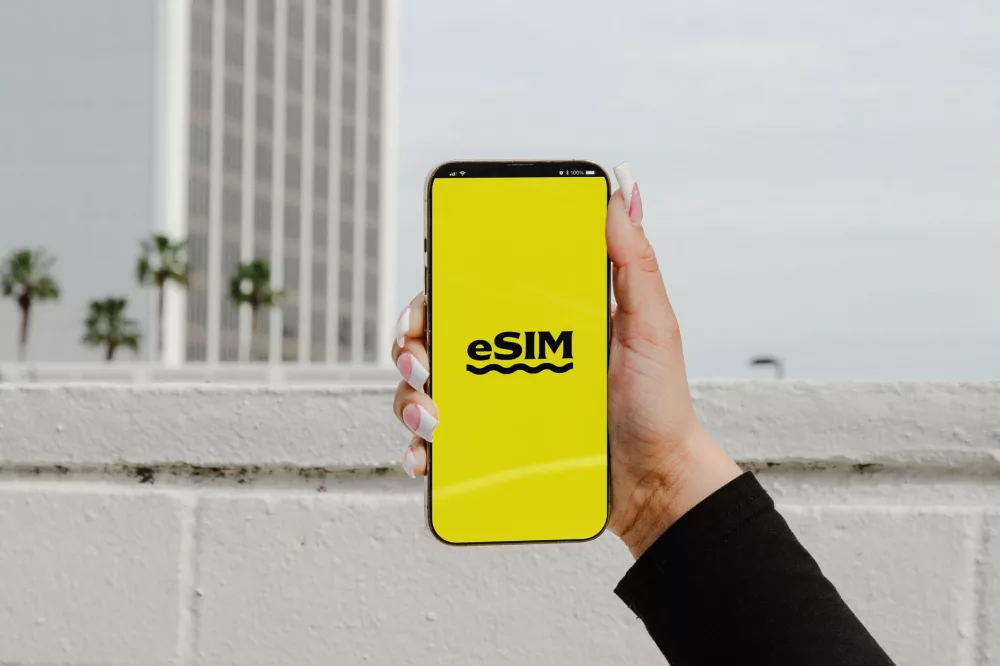
When Apple first introduced eSIM support, it really felt like a glimpse into the future of mobile connectivity. For years, we've been accustomed to popping tiny physical SIM cards into our phones, but the digital alternative has steadily gained traction, especially within the iPhone ecosystem. If you're wondering, "Which iPhones have eSIM?" you're in the right place because I'm going to break down everything you need to know about this increasingly essential feature.
Understanding eSIM: What Is It, Anyway?
Before we dive into the specific iPhone models, let's quickly touch on what an eSIM actually is. Essentially, an eSIM, or embedded SIM, is a digital SIM card that's built directly into your phone's hardware. Unlike a traditional physical SIM that you can insert or remove, an eSIM is programmed digitally by your carrier. This means you don't need a physical card to connect to a mobile network; you can activate a cellular plan with a simple QR code or through your carrier's app. It’s pretty neat, honestly, and it makes switching providers or adding a secondary line incredibly straightforward.
I've always found the concept fascinating because it removes a physical barrier to entry. Imagine traveling abroad and needing a local data plan. Instead of hunting down a physical SIM card, you can just download a profile and be connected within minutes. That's the power of eSIM, and it's why Apple has been pushing it so hard.
The Big Question: Which iPhones Support eSIM?
Okay, let's get down to the core of it. Apple began rolling out eSIM support a few years ago, and most recent iPhone models include this functionality. Here’s the general breakdown:
iPhones with Dual SIM (Physical SIM + eSIM)
Globally, Apple introduced eSIM compatibility starting with the iPhone XS, iPhone XS Max, and iPhone XR. Every flagship iPhone model released since then, up to the iPhone 13 series, supports a combination of one physical nano-SIM and one eSIM. This dual SIM functionality is super handy because it allows you to have two active phone numbers on a single device.
Specifically, these models generally support one physical nano-SIM and one eSIM:
- iPhone XS, iPhone XS Max, iPhone XR
- iPhone 11, iPhone 11 Pro, iPhone 11 Pro Max
- iPhone SE (2nd generation)
- iPhone 12 mini, iPhone 12, iPhone 12 Pro, iPhone 12 Pro Max
- iPhone 13 mini, iPhone 13, iPhone 13 Pro, iPhone 13 Pro Max
- iPhone SE (3rd generation)
For these models, you can typically use both a physical SIM and an eSIM simultaneously. This is perfect for someone like me who might need a work number and a personal number on the same device, or a traveler wanting to keep their home number active while using a local data plan.
iPhones with Dual eSIM Support
Starting with the iPhone 13 series, Apple introduced the ability to use two active eSIMs simultaneously. This is a significant upgrade for those who prefer not to deal with physical SIM cards at all. It means you could have two different cellular plans, both entirely digital, running at the same time on your phone. This option is also available on all subsequent models.
The eSIM-Only Era: iPhone 14 Series and Newer (U.S. Models)
Here's where it gets really interesting and a bit region-specific. With the launch of the iPhone 14, iPhone 14 Plus, iPhone 14 Pro, and iPhone 14 Pro Max in the United States, Apple made a bold move: these models are eSIM-only. That's right, there's no physical SIM tray at all on U.S. versions of the iPhone 14 series. This decision really underscores Apple's confidence in the technology and its widespread adoption.
This eSIM-only design continues with the iPhone 15, iPhone 15 Plus, iPhone 15 Pro, and iPhone 15 Pro Max in the U.S. and some other regions. If you purchase one of these models in the U.S., you'll solely rely on eSIM for your cellular connectivity. For international models of the iPhone 14 and 15 series, the dual SIM (physical SIM + eSIM) configuration is still largely present, so it's always good to check the specific model and region when purchasing.
So, to summarize the newest models:
- iPhone 14 series (U.S. models): eSIM-only (supports multiple eSIM profiles)
- iPhone 14 series (international models): Physical SIM + eSIM
- iPhone 15 series (U.S. models): eSIM-only (supports multiple eSIM profiles)
- iPhone 15 series (international models): Physical SIM + eSIM
What About iPhones in Mainland China?
It's important to note a specific exception: iPhones sold in mainland China do not support eSIM. Instead, they come with dual physical nano-SIM card slots. This is due to regulatory restrictions in that region. If you're buying an iPhone there, you won't find eSIM functionality.
Why eSIM is a Game Changer for iPhone Users
I think the benefits of eSIM are pretty compelling, and they're why Apple is pushing so hard for its adoption:
- Travel Convenience: This is probably the biggest one for me. You can purchase a local data plan from a carrier in another country without swapping physical cards. You just scan a QR code or use an app, and boom, you're connected. No more fumbling with tiny tools or worrying about losing your home SIM.
- Seamless Carrier Switching: Want to try a new carrier? With eSIM, it's often as simple as activating a new plan digitally. No waiting for a new card to arrive in the mail.
- Enhanced Security: A physical SIM can be removed if your phone is stolen, potentially making it harder to track or connect with. An eSIM is embedded, making it more secure.
- Space Efficiency: By removing the physical SIM tray, Apple gains valuable internal space that can be used for other components, like a larger battery or improved camera modules. While it might not seem like much, every millimeter counts in modern smartphone design.
- Dual SIM Functionality: As I mentioned, having two numbers on one phone is incredibly useful. Whether it's for work and personal life, or keeping a primary number while using a temporary travel plan, eSIM makes this a breeze.
How to Set Up an eSIM on Your iPhone
Setting up an eSIM is surprisingly simple. Most carriers provide a QR code that you can scan, or they'll have an option within their app for activation. Generally, you'll go to Settings > Cellular > Add Cellular Plan and follow the prompts. Your carrier will guide you through the specific steps, but it's usually a quick and painless process. I’ve done it a few times myself, and it’s always gone smoothly.
Important Considerations Before Making the Switch
While eSIM is fantastic, there are a couple of things you should keep in mind:
- Carrier Support: Not all carriers globally support eSIM yet, though most major ones do. Always check with your current or desired carrier to ensure they offer eSIM services for iPhones.
- Transferring eSIMs: If you get a new iPhone, transferring your eSIM can be done electronically with supported carriers and iOS versions, often without needing to contact your carrier directly. However, it's a good idea to know your carrier's specific procedure just in case.
- Regional Differences: As we discussed, if you're buying an iPhone outside your home country, especially in mainland China or certain other markets, verify its SIM capabilities.
Looking Ahead: The Future is Digital
Apple's move towards eSIM-only phones in the U.S. with the iPhone 14 and 15 series clearly indicates the direction they're heading. I anticipate that more and more regions will see eSIM-only iPhones in the coming years. It simplifies the manufacturing process, reduces waste, and offers a more flexible and secure experience for users. It’s part of a broader trend of integrating more features directly into the device, making it more capable and less reliant on physical peripherals.
Ultimately, knowing which iPhones have eSIM support helps you make informed decisions, whether you're buying a new device or just trying to optimize your current one. It’s a technology that’s here to stay, and it truly enhances the way we connect.