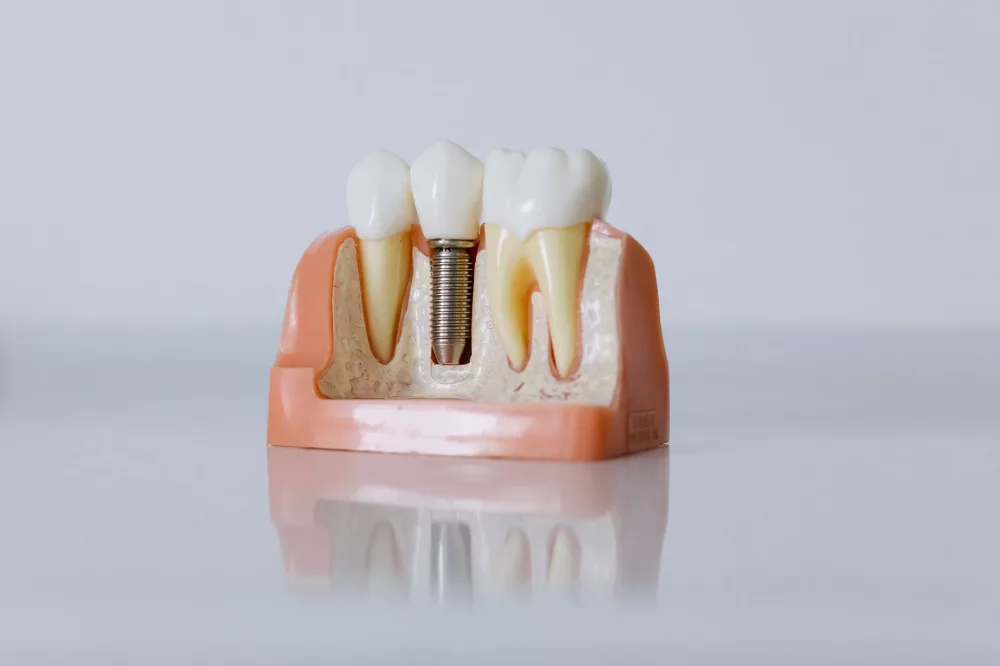
When we talk about restoring a smile, especially one that has seen better days, full mouth dental implants often come up as the gold standard. It's truly a transformative procedure, offering a stability and aesthetic that traditional dentures just can't match. But let's be honest, the very first question on most people's minds, right after 'Can this truly change my life?', is invariably, 'What's it going to cost?'
I've seen firsthand how overwhelming the thought of a significant dental investment can be. The cost of full mouth dental implants isn't a single, straightforward number you can just pluck from a price list. It's a complex figure influenced by numerous individual factors, much like planning a custom-built home. My aim here is to pull back the curtain, giving you a clear, honest, and detailed understanding of what goes into that final price tag, helping you feel more confident and informed as you explore this life-changing option.
Understanding Full Mouth Dental Implants: More Than Just Teeth
Before we even begin to discuss the financial aspect, it's important to grasp what full mouth dental implants truly represent. We aren't simply replacing missing teeth; we're rebuilding an entire oral foundation. This typically involves replacing all the teeth in either the upper jaw, lower jaw, or both.
- All-on-4 or All-on-6 Systems: These are popular techniques where an entire arch of teeth is supported by four or six strategically placed dental implants. They're designed to maximize existing bone, often reducing the need for extensive bone grafting.
- Traditional Full Arch Implants: Sometimes, depending on bone density and specific needs, a greater number of implants might be necessary, providing even broader support for a fixed bridge.
The core benefit? You get a complete set of teeth that are permanently fixed, allowing you to eat, speak, and smile with confidence, just like natural teeth. This isn't a temporary fix; it's a long-term solution designed to last decades, maybe even a lifetime, with proper care. It's a significant upgrade from removable dentures, which, while more affordable initially, come with their own set of ongoing costs and limitations.
The Factors That Shape the Investment
I can tell you right now, providing a single, universal cost is impossible. The range can be incredibly wide, often spanning tens of thousands of dollars. Why such a variance? It boils down to a collection of highly individualized factors. Let's break them down:
1. The Number of Implants Needed
This is probably one of the most obvious cost drivers. Are we talking about an All-on-4 system for a single arch, or are we looking at an All-on-6? Some cases might even require more implants for optimal stability. Each implant post, naturally, adds to the overall cost.
2. Type of Prosthesis (New Teeth)
The 'teeth' part, or the bridge that connects to the implants, comes in various materials and styles, each with different cost implications:
- Acrylic/Composite with Titanium Framework: This is often a more economical choice, common with All-on-4. It's durable but may require relining or replacement after several years.
- Zirconia: This material offers exceptional strength, durability, and a highly aesthetic, natural appearance. It's significantly more expensive than acrylic but is also built to last much longer, often considered a lifetime restoration.
- Porcelain Fused to Metal (PFM): A classic option, offering good aesthetics and strength, though zirconia is often preferred for full arches today.
The choice between fixed (permanently cemented or screwed into place) and removable (implant-supported dentures that snap on) also plays a role, with fixed options generally costing more due to their complexity and materials.
3. Pre-Procedure Treatments and Preparatory Work
This is where many people get surprised, myself included, when discussing the full scope of treatment. It’s rare for someone to just walk in and be ready for implants. Often, some groundwork is necessary:
- Tooth Extractions: If you have failing or infected teeth, they'll need to be removed first. The number of extractions and their complexity will affect the price.
- Bone Grafting: This is a big one. Many patients lack sufficient jawbone density to support implants, especially if teeth have been missing for a while. Bone grafting, whether it's a small site graft or a more extensive sinus lift, can add significantly to the cost and prolong the treatment timeline.
- Gum Disease Treatment: Periodontal disease must be resolved before implants can be placed. This can involve scaling, root planing, or even periodontal surgery.
- Dental Impressions and Scans: Advanced imaging, including 3D CT scans (Cone Beam CT), is essential for precise implant planning, ensuring optimal placement and avoiding vital structures.
4. The Expertise of Your Dental Team
Just like with any specialized medical procedure, the skill and experience of the dental surgeon and the prosthodontist (the specialist who designs and places the new teeth) will impact the fee. A highly experienced specialist with advanced training and a proven track record will typically charge more, but that expertise often translates to better outcomes and fewer complications. I've found that investing in a skilled practitioner is almost always worth it in the long run.
5. Geographic Location
Where you live can have a surprising impact on dental costs. Practices in major metropolitan areas or regions with a high cost of living generally have higher overheads, which are reflected in their fees. Conversely, costs might be lower in less urbanized areas.
6. Sedation Options
For a procedure like full mouth implants, many patients opt for some form of sedation beyond just local anesthesia. Options can range from oral conscious sedation to IV sedation (often administered by an anesthesiologist) or even general anesthesia in a hospital setting. The type and duration of sedation will be an additional cost.
7. Temporary Restorations
During the healing period after implant placement, you won't be without teeth. You'll likely receive temporary dentures or a temporary fixed bridge. These provisional restorations allow you to eat and speak while your implants integrate with your bone, and they do come with a cost, though sometimes they're bundled into the overall treatment plan.